This post is also available in:
 Română (Romanian)


This post is also available in:
Română (Romanian)
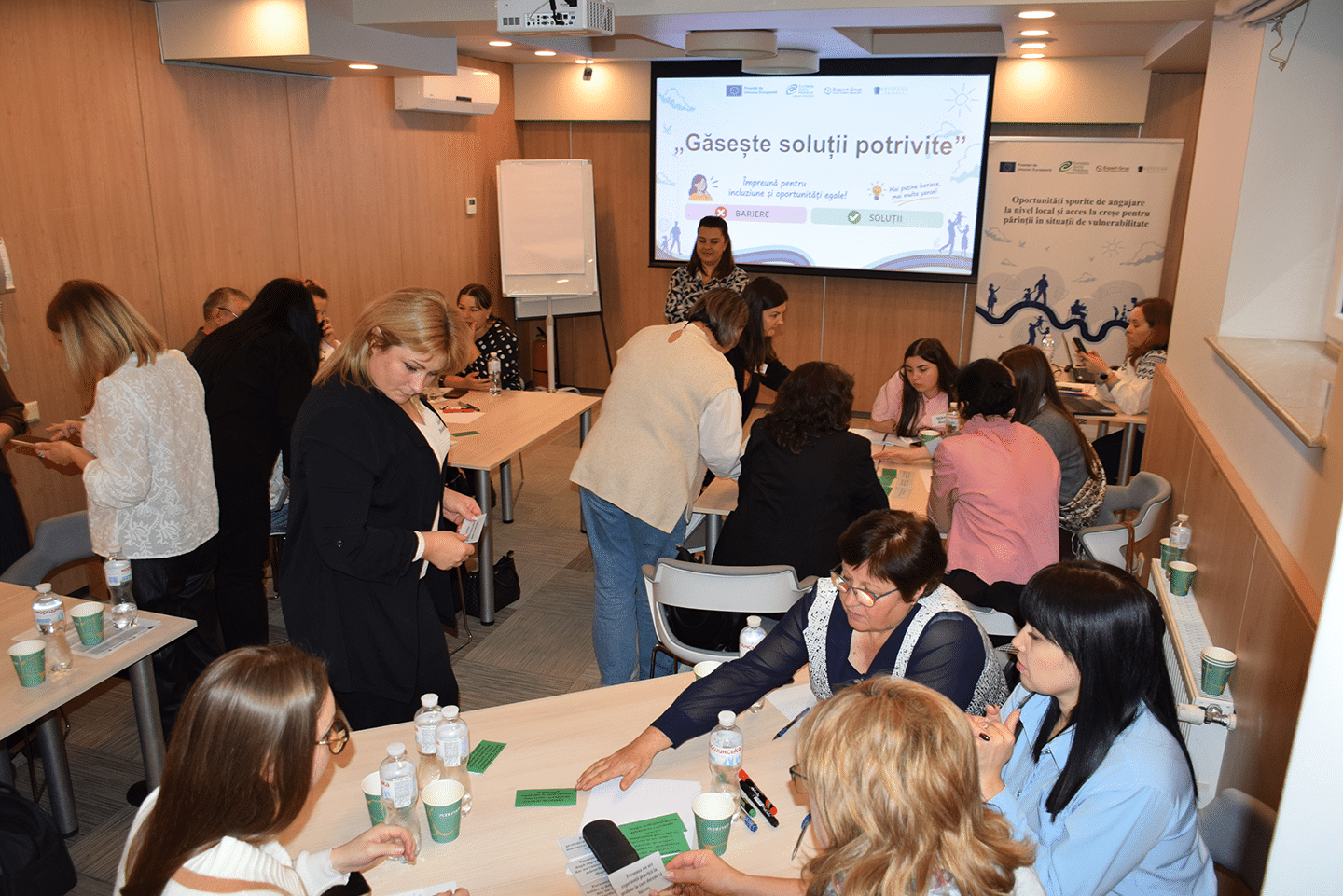
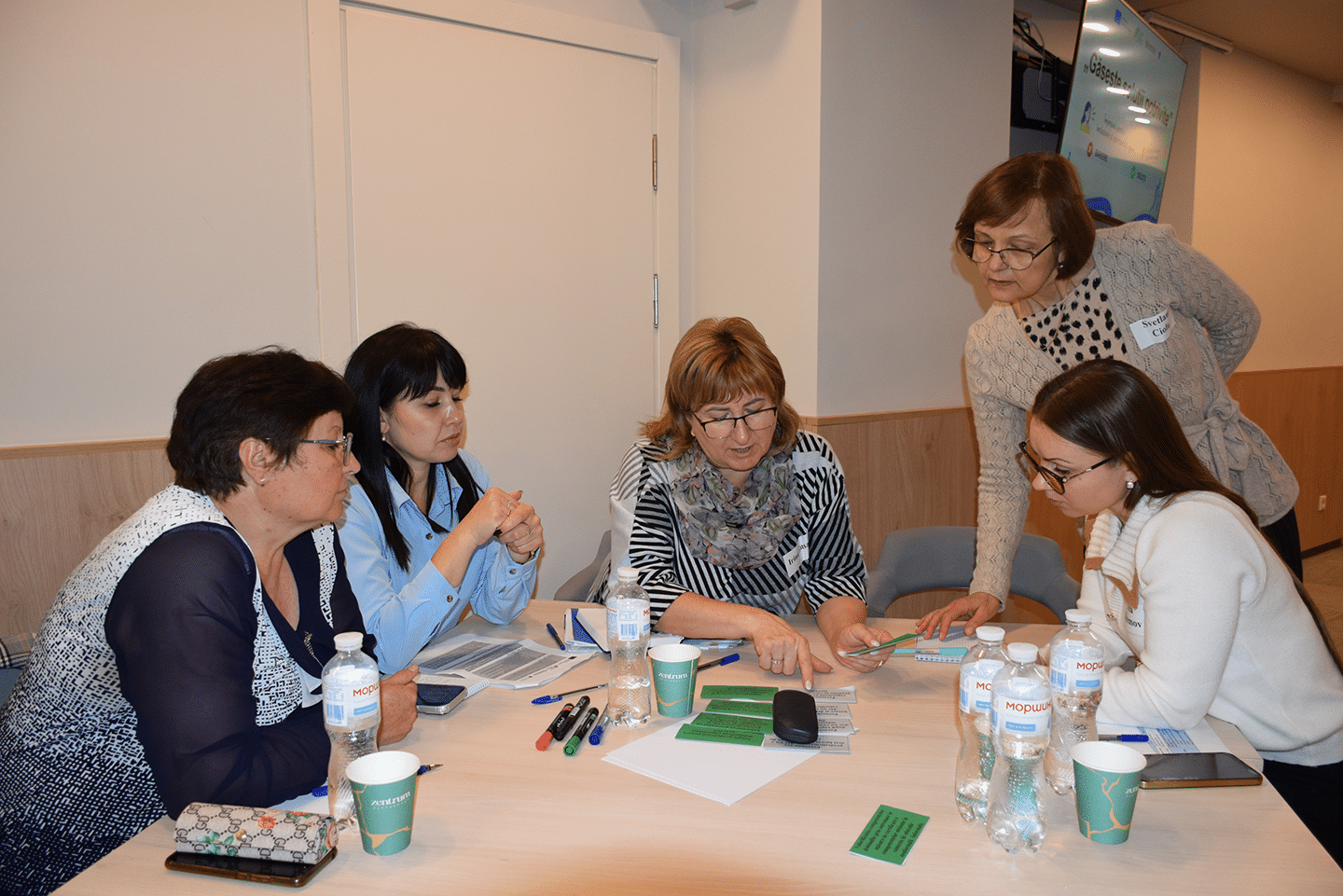
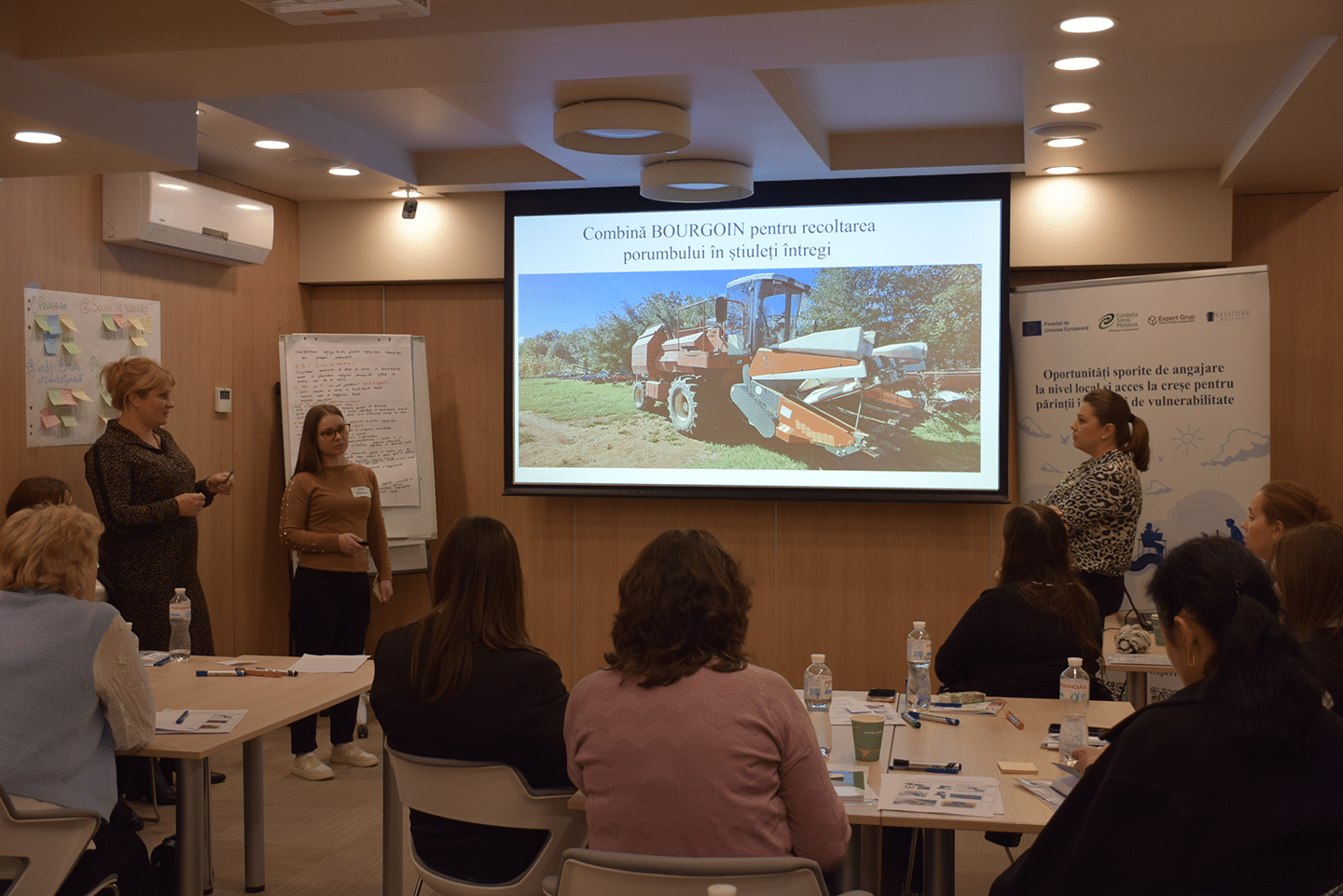
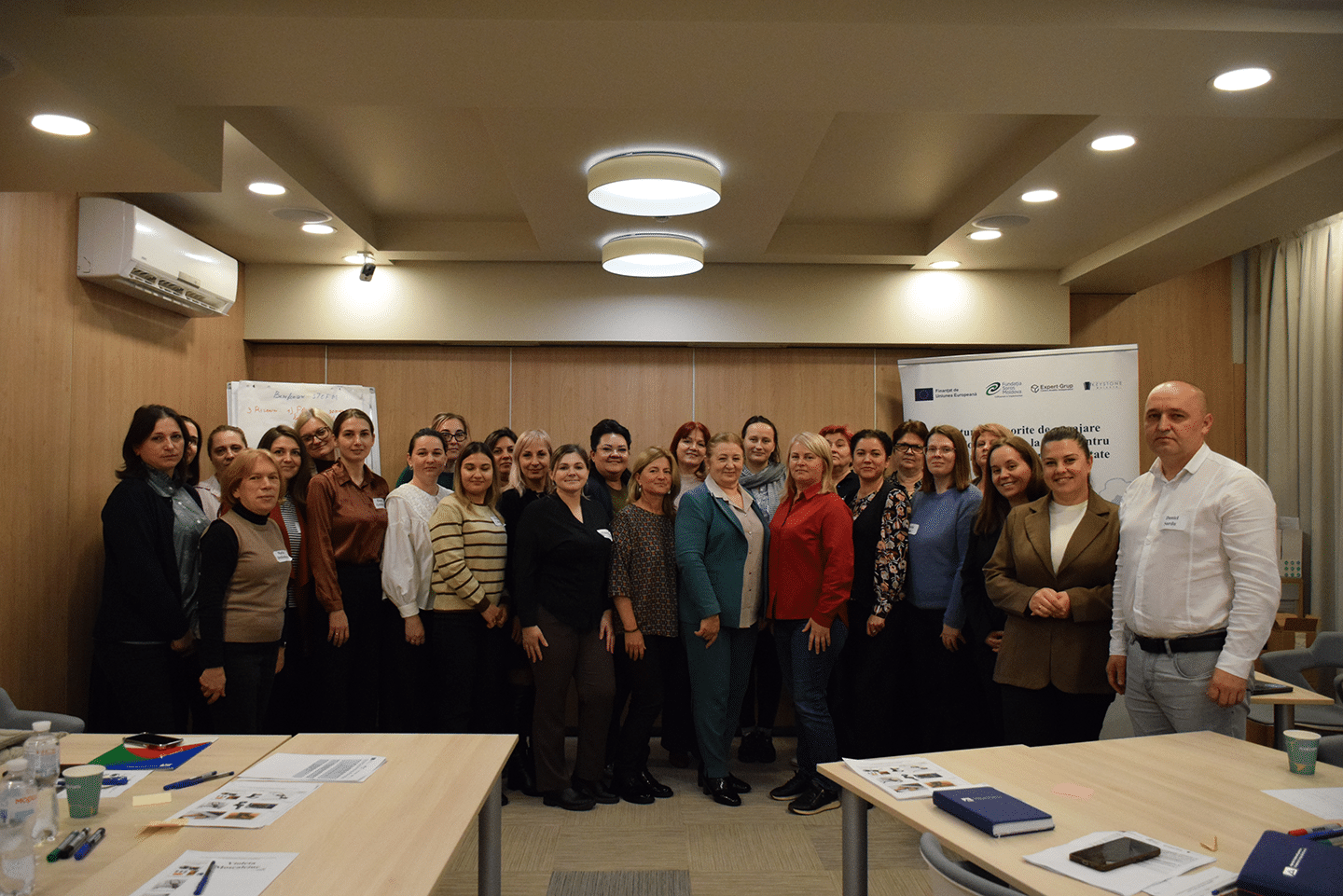
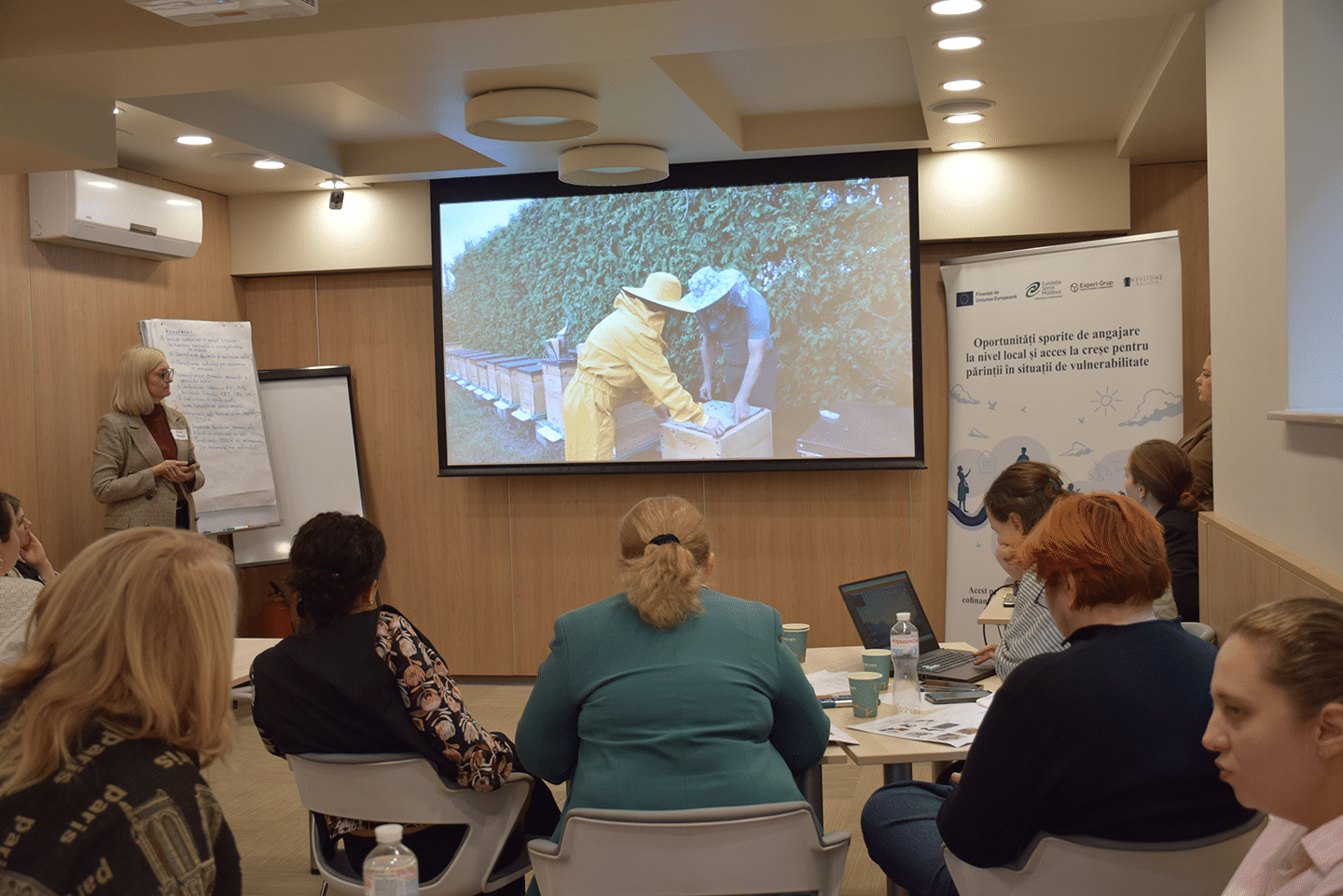
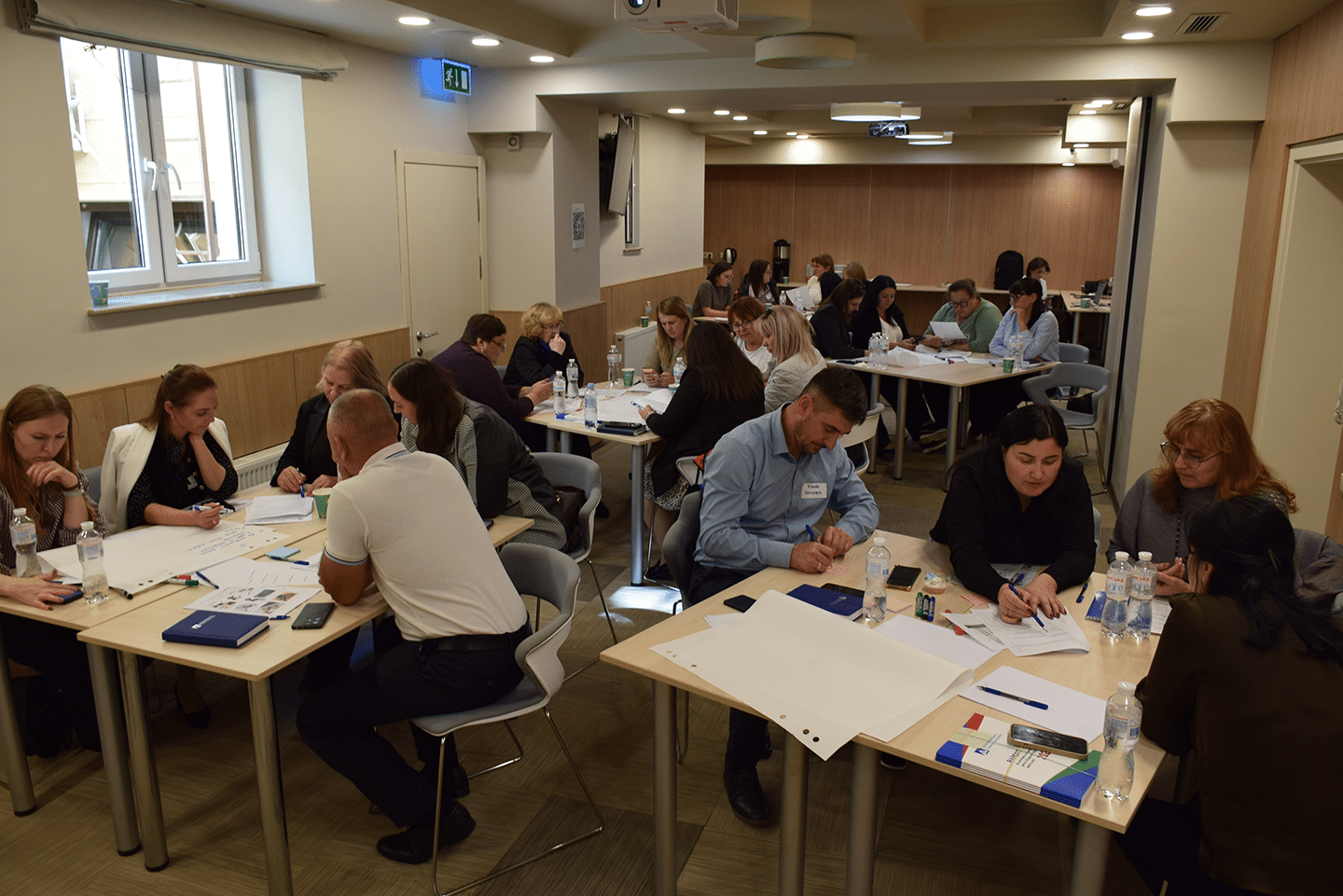
Through the European Union’s investment in the project “Enhanced Local Employment Opportunities and Access to Childcare Services for Parents in Vulnerable Situations”, 24 community nursery groups are currently being established. The support provided by National Employment Agency (NEA) specialists will help job-seeking parents, especially mothers, enter the workforce and better balance employment with childcare responsibilities.
Between October 1-2, October 12-13, October 19-20, October 26-27, and October 29-30, 2026, Keystone Moldova conducted five follow-up sessions entitled “Labor Market Integration of Persons Requiring Additional Support in Employment” dedicated to specialists from the National Employment Agency and its territorial employment divisions. The objective of these sessions was to strengthen and deepen participants’ professional competencies in the practical application of methods, tools, and procedures for supporting individuals who require additional assistance in accessing employment. The program provided participants with an opportunity to reflect on the experiences gained following the five rounds of initial three-day training sessions delivered between May and July 2026. Participants reviewed challenges encountered in their daily work and identified practical solutions for improving employment services. During the five two-day follow-up sessions, specialists discussed examples from the work of the 35 territorial divisions, shared best practices, and explored ways to tailor interventions to the needs of each job seeker.
Mrs. Raisa Dogaru, Director of the National Employment Agency (NEA), emphasized: “A truly inclusive labor market means more than simply having employment opportunities available. It means having institutions, employers, and a society capable of recognizing each individual’s potential and creating the conditions necessary to realize it. For the NEA, the labor market inclusion of people facing additional barriers to employment, particularly people with disabilities, parents in vulnerable situations, and NEET youth, is an important direction for institutional development and for strengthening our role in ensuring equitable access to employment opportunities. In this process, investing in the competencies of our specialists is essential because change begins with how we understand people’s needs, collaborate with employers, and build partnerships that transform the principles of inclusion into real opportunities. Training programs and follow-up sessions contribute not only to strengthening knowledge but also to fostering an institutional culture based on continuous learning, experience sharing, and identifying solutions adapted to local realities.”
The agenda included key topics related to implementing national strategic objectives in employment and the inclusion of persons with disabilities, developing individualized employment pathways for parents in vulnerable situations, promoting the concept of a “family-friendly employer” and identifying effective approaches to preventing long-term unemployment and managing complex cases. Attention was given to the employment inclusion of people with disabilities. Participants examined workplace accommodation needs, discussed identifying reasonable accommodation solutions together with employers and beneficiaries, and presented success stories from their work in local communities.
The importance of interinstitutional cooperation and partnerships in promoting labor market inclusion was highlighted by Mrs. Cristina Arapan, expert and course trainer: “Developing strategic partnerships is one of the NEA’s priorities in fulfilling its mandate as a key institution in the labor market. The success of inclusion efforts for groups requiring additional support is the result of effective cooperation and continuous dialogue with employers, vocational training providers, community social service providers, non-governmental organizations, and development partners. In this regard, the institution benefits from trusted partners who, throughout its 35 years of activity, have continuously supported the successful implementation of various initiatives, including strengthening the competencies of employees within territorial employment divisions, enabling them to deliver quality services that place the needs of job seekers at the center of their work.”
Participants highly appreciated the practical value of the training and the opportunity to learn from their colleagues’ experiences. Mrs. Romina Melenciuc, Head of the Bălți Employment Division, stated: “Each training session provides us with new information, practical tools, and a deeper understanding of beneficiaries’ needs. Investing in specialists means better services for people, particularly mothers with children and individuals in vulnerable situations. When professional support is complemented by family-friendly employers, we increase parents’ chances of finding employment, achieving financial independence, and building a more secure future.” Similarly, Mrs. Ludmila Gherman, Head of the Sîngerei Employment Division, emphasized the benefits of experience sharing and continuous learning: “Participating in follow-up training gives us the opportunity to exchange experiences, identify new practices, learn about recent legislative changes, and find effective solutions for integrating people who require additional support into the labor market. Our expectations from such training include strengthening collaboration between territorial employment divisions and local employers, identifying new methods of support for job seekers, and improving the services we provide.”
Participant questionnaire results indicate a high perceived relevance of the training. Specifically, 87.7% of respondents reported that the activities made a significant or very significant contribution to developing the capacities required for working with parents in vulnerable situations, representing the value of the project’s specific indicator. In addition, 92.6% of respondents stated that they would be able to apply, to a large or very large extent, the knowledge and tools discussed during the training.
At the end of each session, participants developed recommendations, identified mentoring needs, and contributed to the design of solutions aimed at improving access to employment opportunities for vulnerable groups, helping to build a labor market that is more accessible, inclusive, and responsive to the needs of people requiring additional support. „We are convinced that progress in this field can be achieved through joint efforts, ongoing dialogue with the business community and the active involvement of civil society organizations. In this regard, we express our appreciation and gratitude to the European Union, Soros Foundation Moldova, Keystone Moldova, and Expert-Grup for their support and for the partnership that helps strengthen the NEA’s capacity to better respond to the needs of people in vulnerable situations. Together, we can contribute to building a labor market where diversity is recognized as value and access to decent work is a genuine opportunity for every individual.” concluded Mrs. Raisa Dogaru, Director of the National Employment Agency (ANOFM).
***
The training course “Labor Market Integration of Persons Requiring Additional Support in Employment” is organized within the project “Enhanced Local Employment Opportunities and Access to Childcare Services for Parents in Vulnerable Situations”, funded by the European Union and co-financed and implemented by Soros Foundation Moldova in partnership with I.P. Keystone Moldova and Expert-Grup.