This post is also available in:
 Română (Romanian)


This post is also available in:
Română (Romanian)
PRESS RELEASE, 25 November 2026
The transition to a more dignified life within the community for adults with disabilities currently in residential care is being supported by the European Union in an increasing number of localities across the Republic of Moldova. Planning for the process of deinstitutionalisation and social inclusion of adults with disabilities who are due to leave residential care has begun for communities in the south of the country and is continuing, in the last week of November 2026, for communities in the centre and north of the country.
“Deinstitutionalisation is a complex reform, but one that is essential for protecting the rights of people with disabilities and for the Republic of Moldova’s European path. The European Union remains firmly committed to supporting this reform and the development of community-based solutions,” said Evghenia Hiora, Programme Officer for social protection, health and gender at the European Union Delegation.
The reform is supported at both national and regional levels through the activities and interventions under the “Inclusive Moldova: Communities for All” project. This project is financed by the European Union, and implemented by Keystone Moldova in partnership with the Alliance of Organizations for Persons with Disabilities from Moldova and the Ministry of Labour and Social Protection.
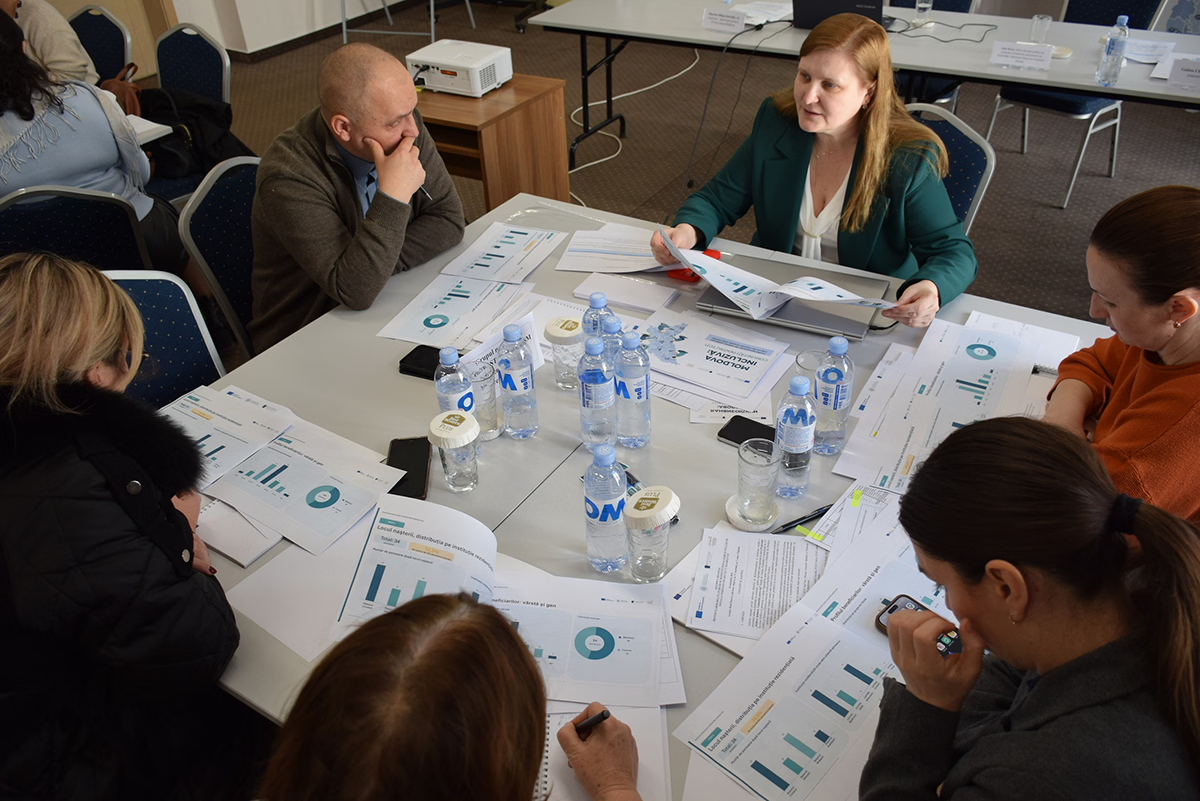
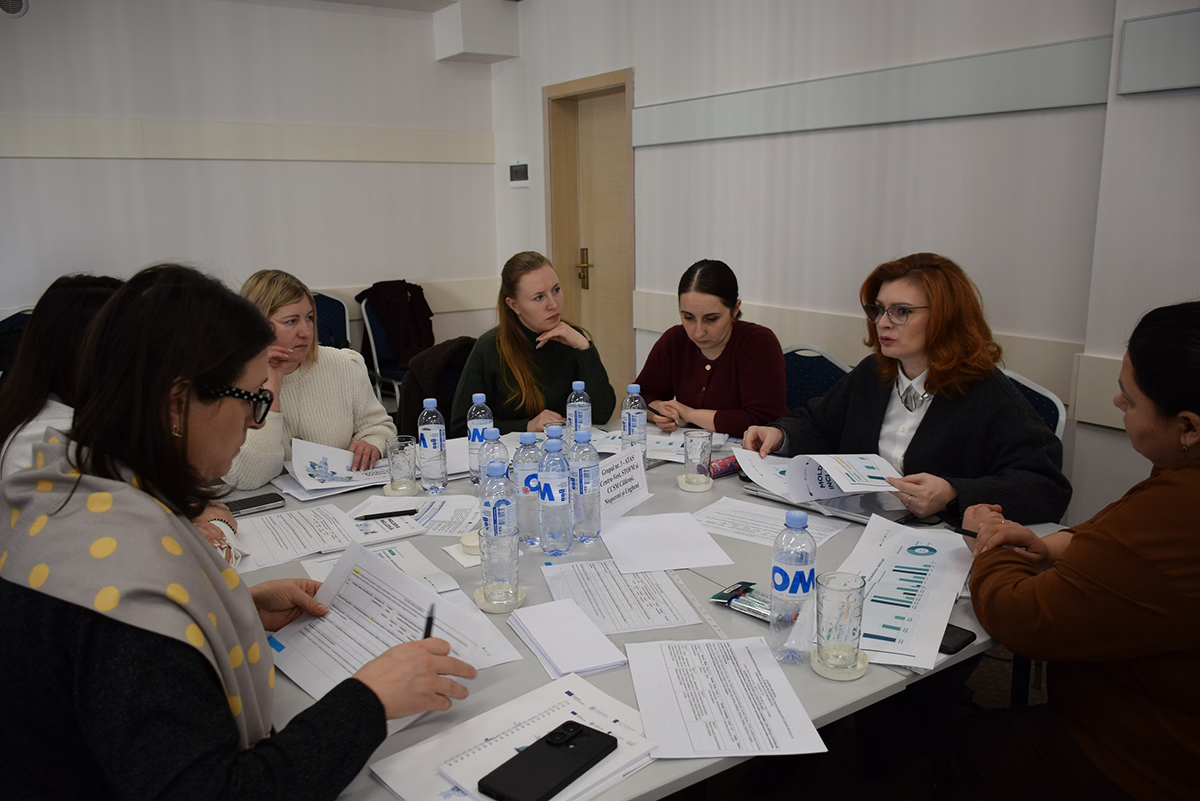
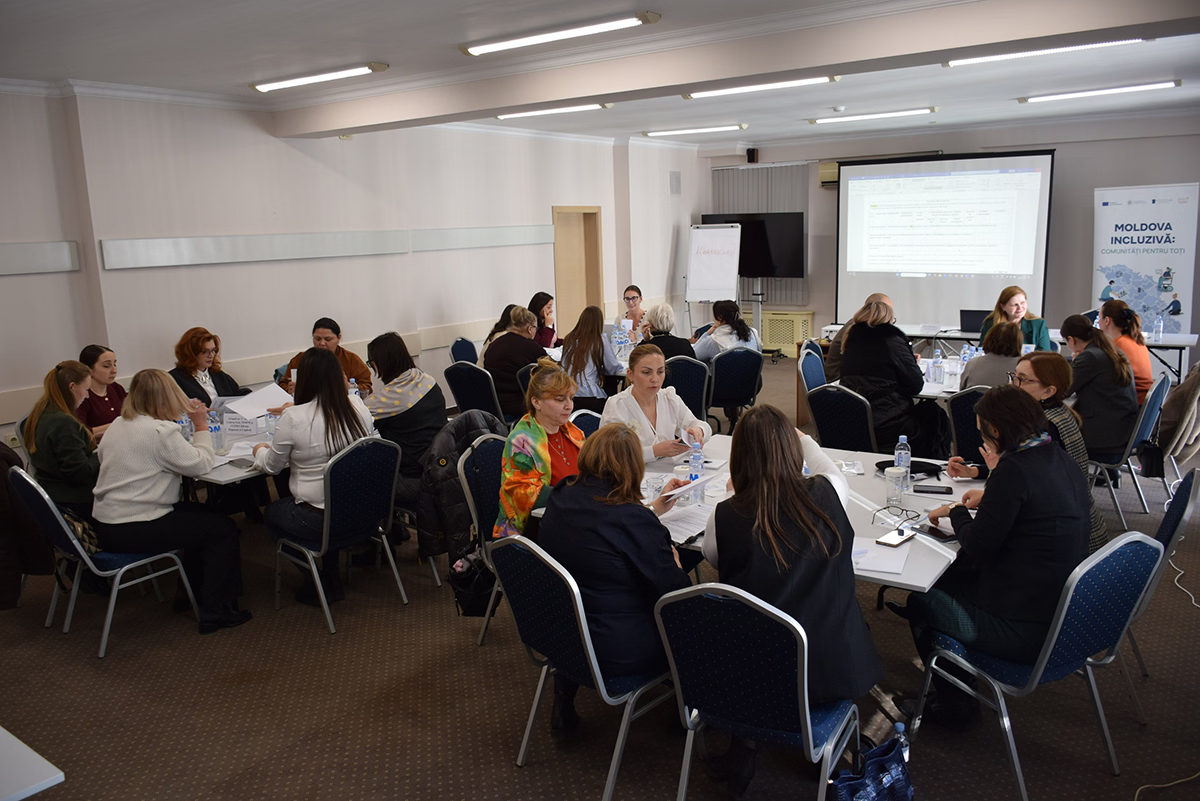
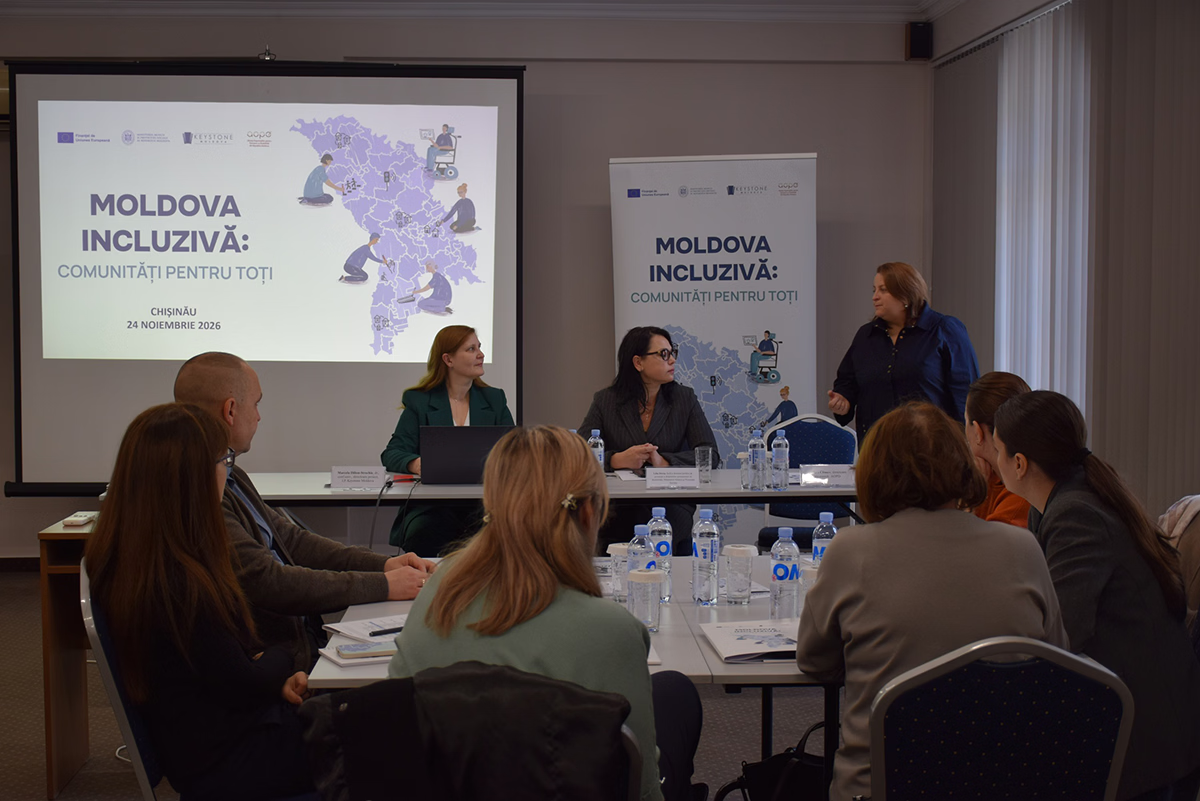
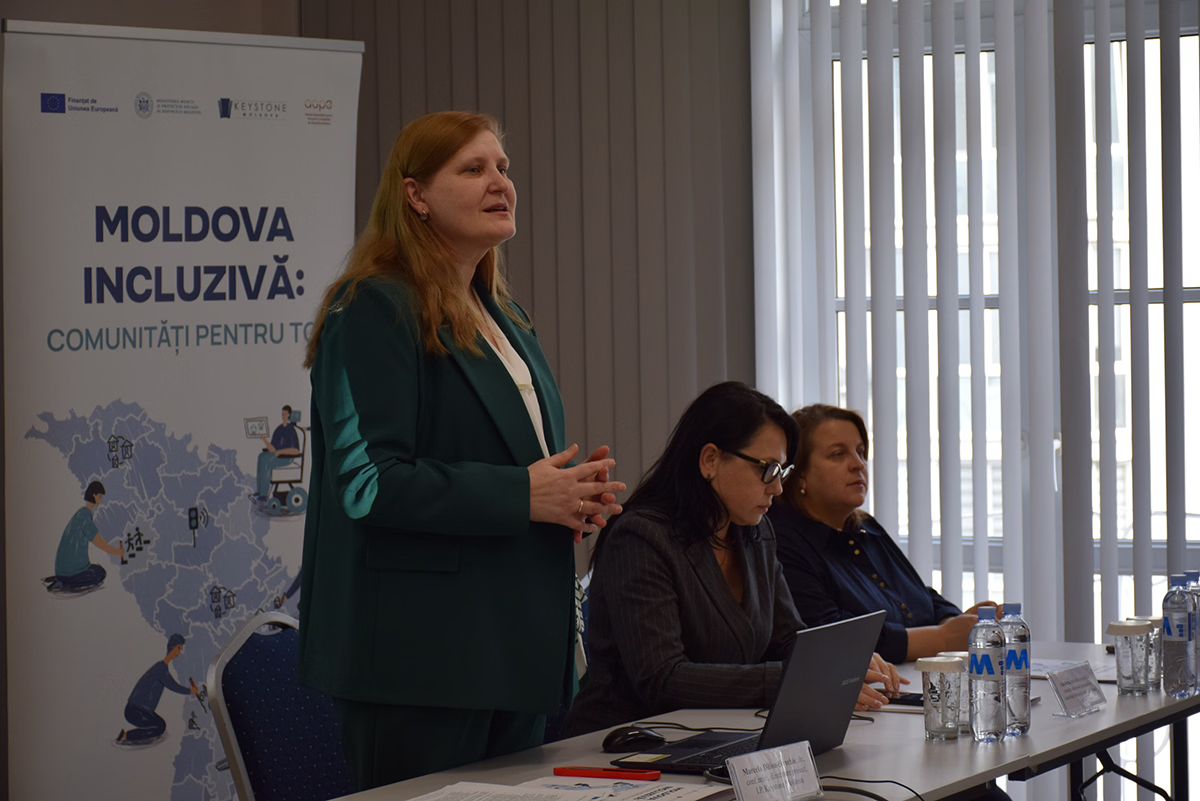
On 24 November 2026, a regional workshop was held in Chișinău on the development of plans for the deinstitutionalisation and social inclusion of adults with disabilities for localities in the central area of the Republic of Moldova.
Regional planning is a joint effort involving the Centre, Centre-East and Centre-West territorial social assistance agencies, the Chișinău General Directorate for Medical and Social Assistance, as well as specialists from the regional employment departments and community mental health centres.
“For adults with disabilities who are in residential care, the transition to community living will mark a new beginning. The success of this change depends very much on the ability of social care professionals to plan and coordinate the development of community-based services to support adults with disabilities, which will enable them to find jobs and get involved in community life,” noted Marcela Dilion-Strechie, PhD, Project Director at Keystone Moldova, addressing the event’s participants.
The 40 specialists attending the workshop worked together to coordinate and plan the key actions and responsibilities required to ensure the transition of adults with disabilities from residential care to community living.
As a result of the regional workshop, four plans will be drawn up for the deinstitutionalisation and social inclusion of adults with disabilities who are due to leave residential care to live in their local communities, alongside their families and neighbours. Regional plans are strategic and operational documents that set out the actions needed to support the transition of people with disabilities or children from residential institutions to independent living in the community.
***
This material was produced with the financial support of the European Union. Its content represents the sole responsibility of the “Inclusive Moldova: Communities for All” project, financed by the European Union, and implemented by Keystone Moldova in partnership with the Alliance of Organizations for Persons with Disabilities from Moldova and the Ministry of Labour and Social Protection. The content of the material belongs to the authors and does not necessarily reflect the vision of the European Union.