This post is also available in:
 Română (Romanian)


This post is also available in:
Română (Romanian)
PRESS RELEASE, 19 November 2026
Four regional plans for the deinstitutionalization and social inclusion of adults with disabilities will be drawn up for communities in the south of the Republic of Moldova. These documents set out the key measures that will support the social inclusion of people with disabilities who are leaving residential care. This will enable adults with disabilities to decide where to live, to find jobs, and to have access to all community services.
Regional planning is a joint effort involving the Southern, South-Eastern and South-Western territorial social assistance agencies, the General Directorate for Health and Social Protection of the Gagauzia Autonomous Territorial Unit, as well as specialists from the regional employment departments and community mental health centers.
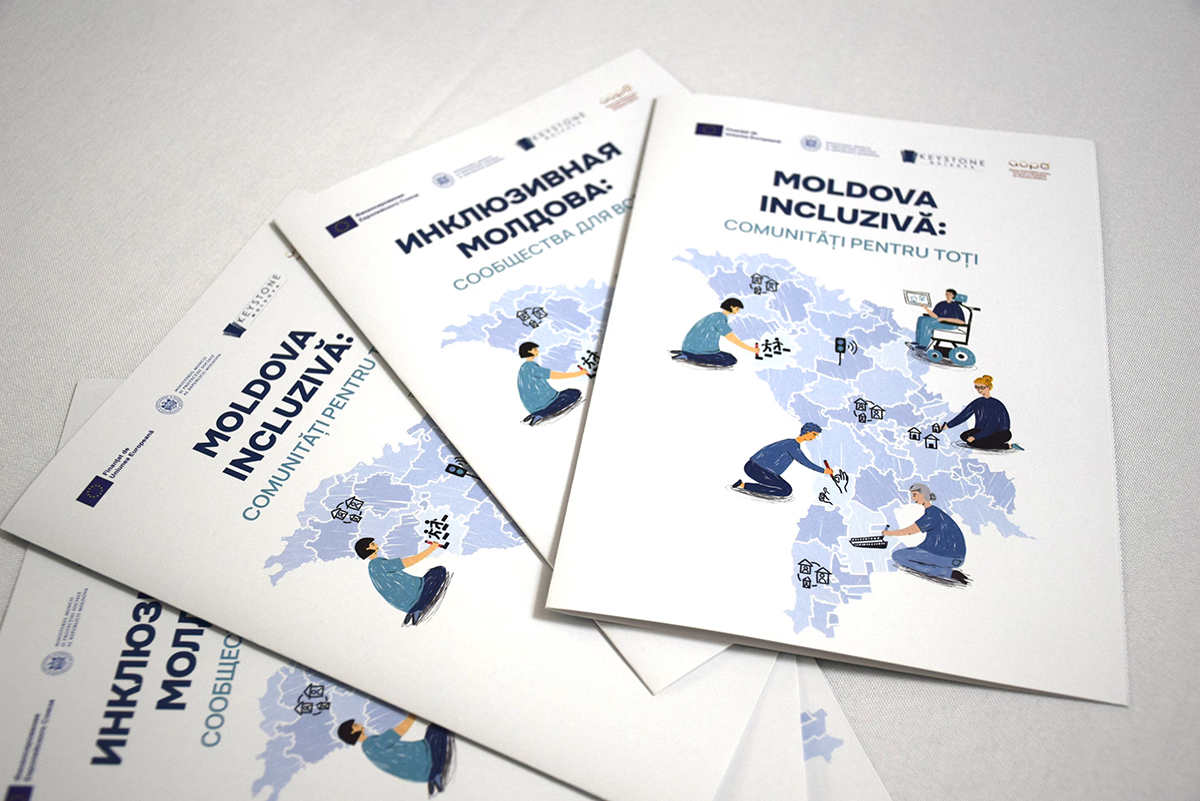
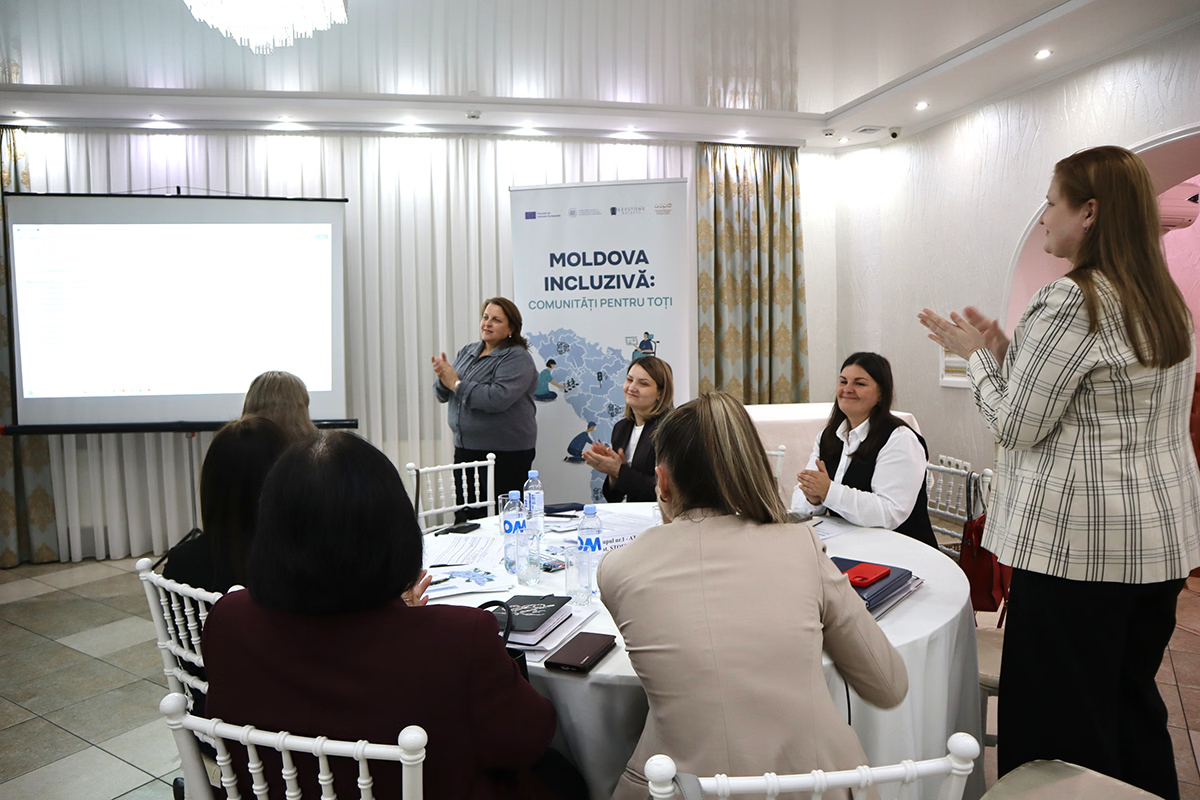
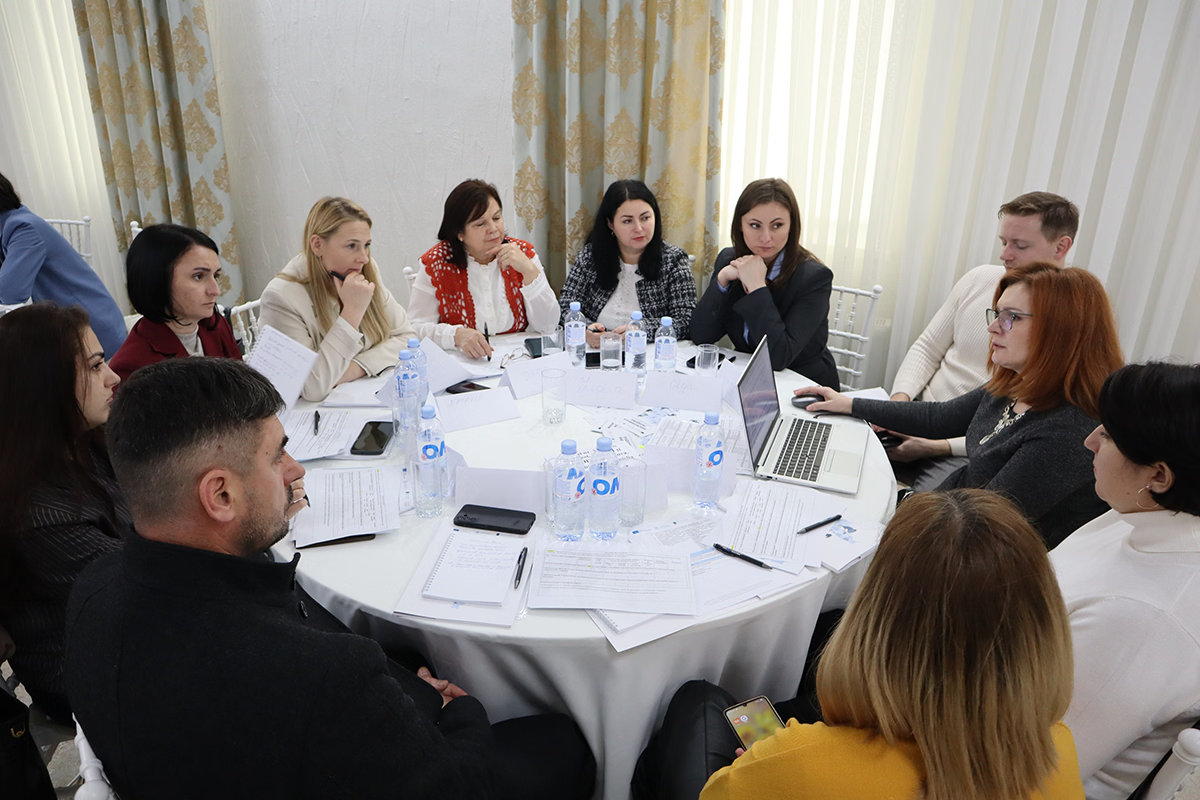
The planning process for the deinstitutionalization and social inclusion of adults with disabilities is part of a regional workshop organized in the town of Căușeni on 18 November 2026, with the support of the European Union. The event was made possible by the project “Inclusive Moldova: Communities for All”, financed by the European Union, and implemented by Keystone Moldova in partnership with the Alliance of Organizations for Persons with Disabilities from Moldova and the Ministry of Labor and Social Protection.
“Deinstitutionalization means more than simply transferring a person from a residential institution to a different setting. For this process to succeed, we need strong local support networks. Through this workshop, we aim to build a bridge between the needs of people with disabilities leaving residential care and the resources available in the community, so that every person can find their place and be accepted,” emphasized Dr. Marcela Dilion-Strechie, project director at Keystone Moldova, at the opening of the event.
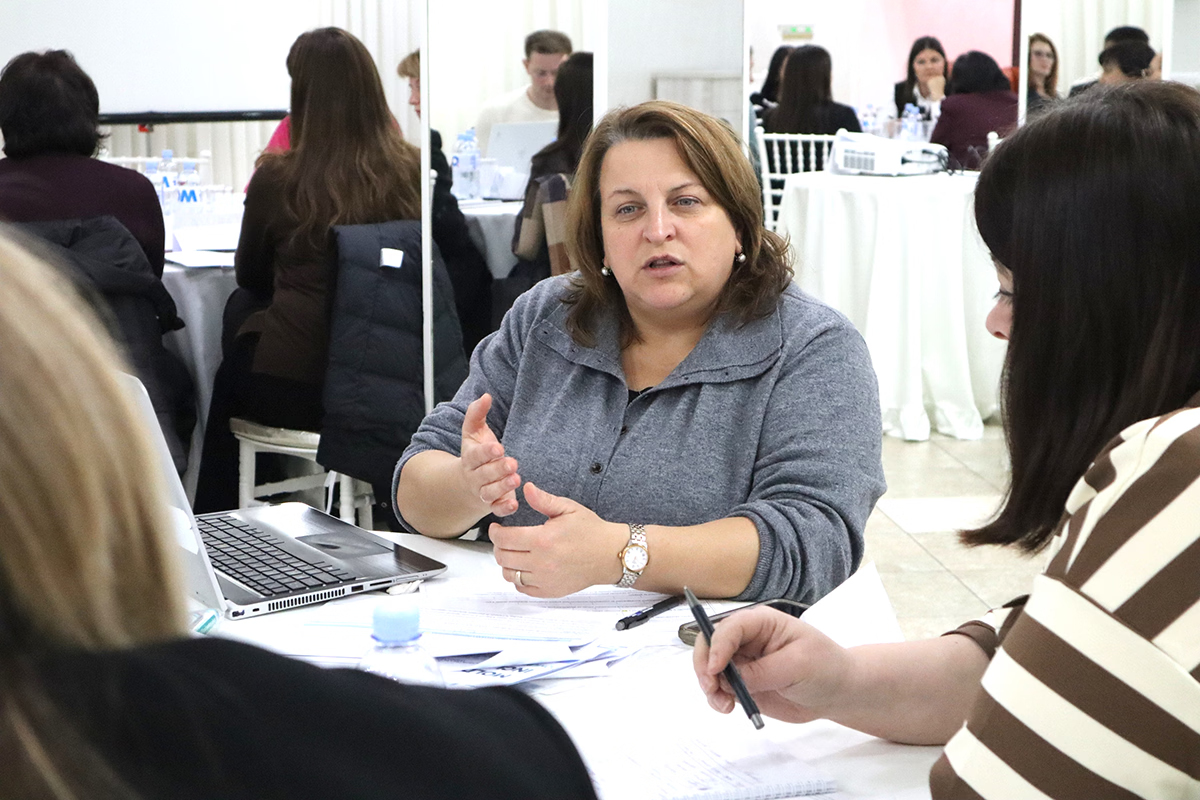
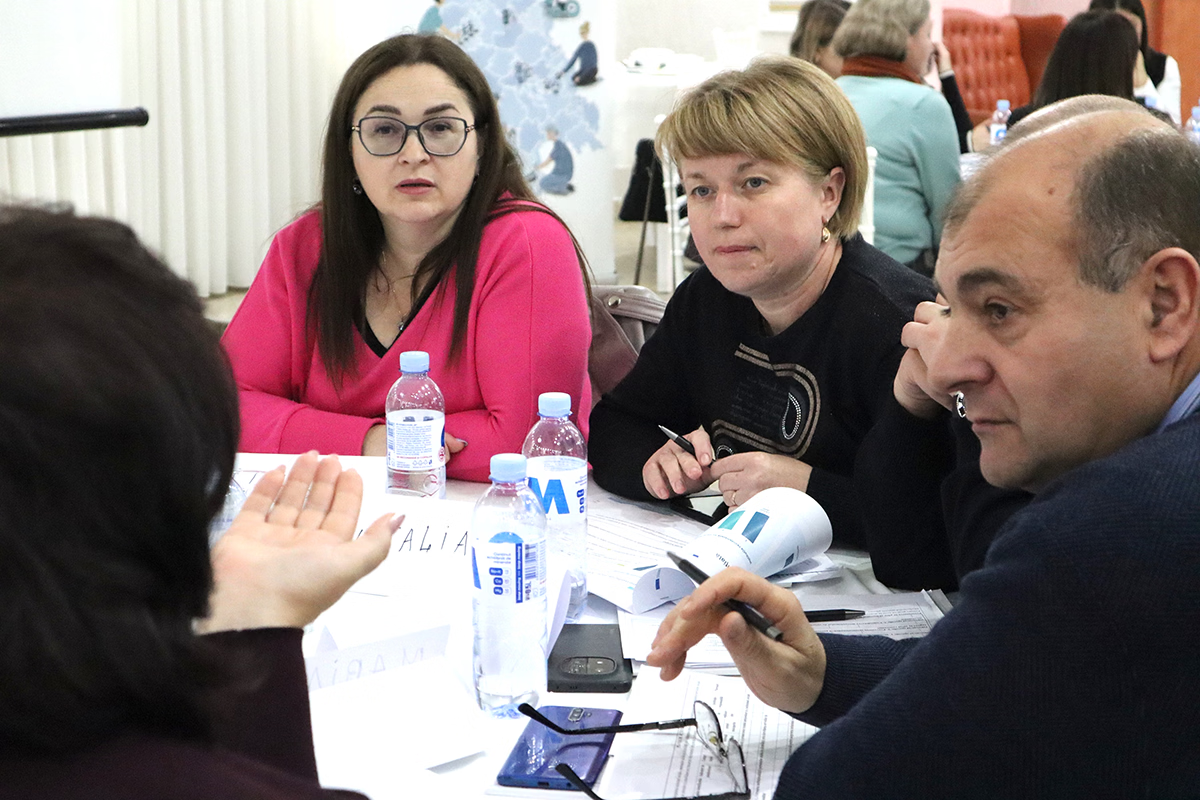
The regional workshop brought together 40 specialists, who jointly coordinated and planned the key actions and responsibilities required to ensure the transition of adults with disabilities from residential care to community living.
“We will be piloting two social services – ‘Supported Living’ and ‘Shared Living’ – aimed at people with disabilities who have been deinstitutionalized. The workshop we attended enabled us to see the bigger picture and to plan our interventions where they will be most needed and expected,” said Victoria Gandrabur, director of the South-East Territorial Social Assistance Agency.
Regional plans for the deinstitutionalization and social inclusion of adults with disabilities are strategic and operational documents that set out the actions required to support the transition of people with disabilities or children from residential institutions to independent living in the community. As part of the “Inclusive Moldova: Communities for All” project, 12 such regional plans will be drawn up. The project will run for 3.5 years, and the support provided by the European Union through this project amounts to four million euros.
***
This material was produced with the financial support of the European Union. Its content represents the sole responsibility of the “Inclusive Moldova: Communities for All” project, financed by the European Union, and implemented by Keystone Moldova in partnership with the Alliance of Organizations for Persons with Disabilities from Moldova and the Ministry of Labor and Social Protection. The content of the material belongs to the authors and does not necessarily reflect the vision of the European Union.