Join us on Facebook, Instagram and Twitter, or read one of our blogs. You’ll find the latest news, photos and videos.
Blogs

PRESS RELEASE, 22 September 2026
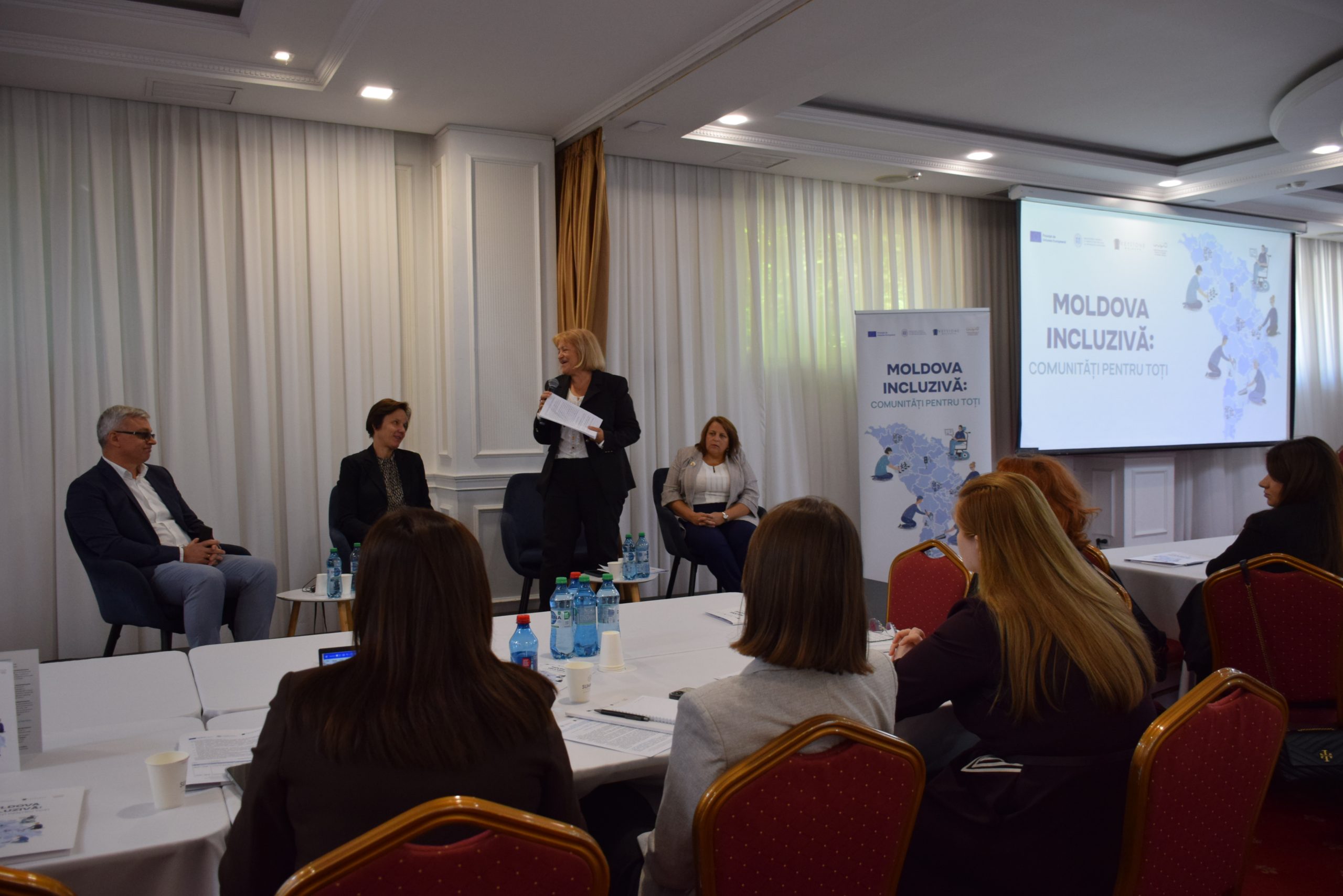
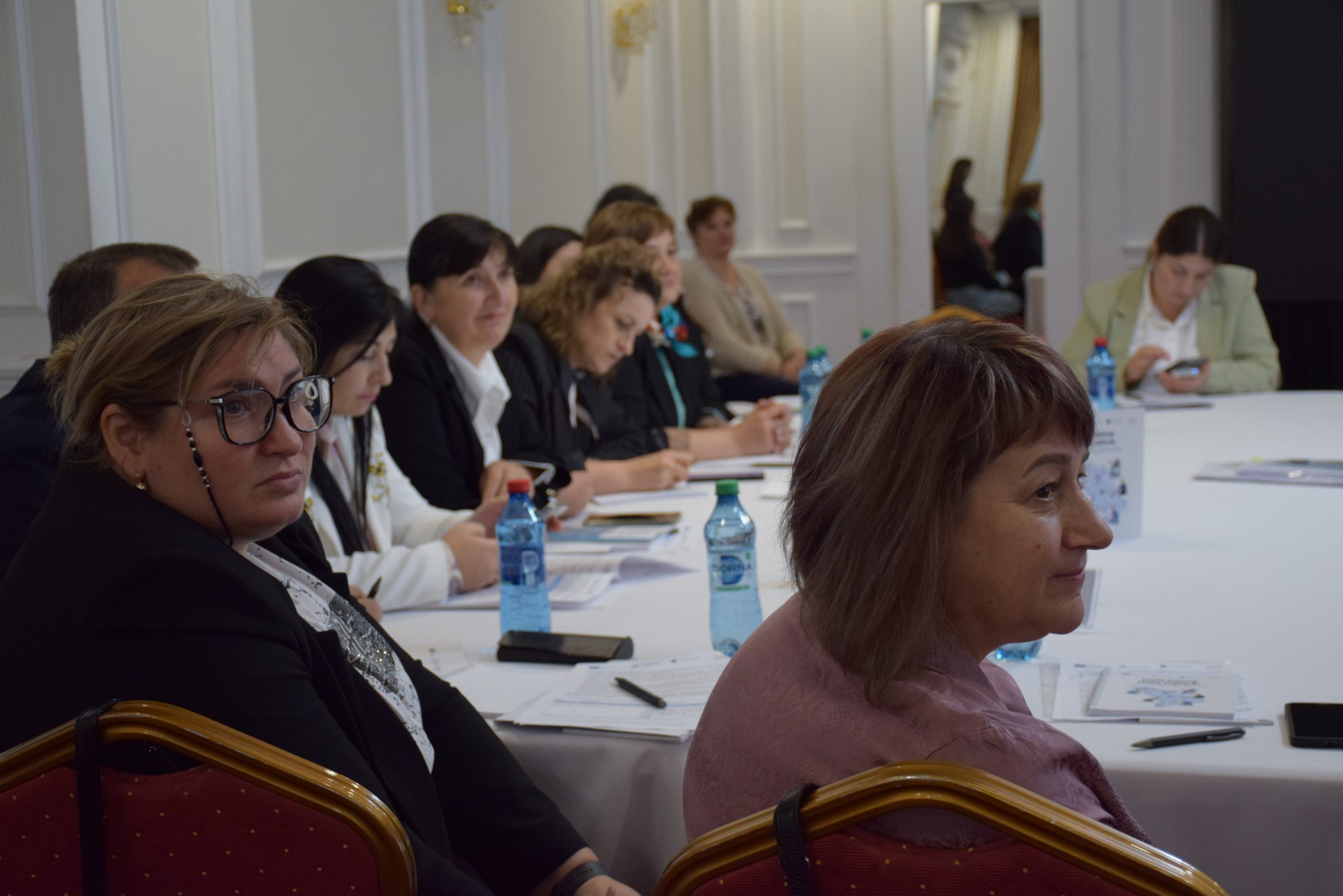
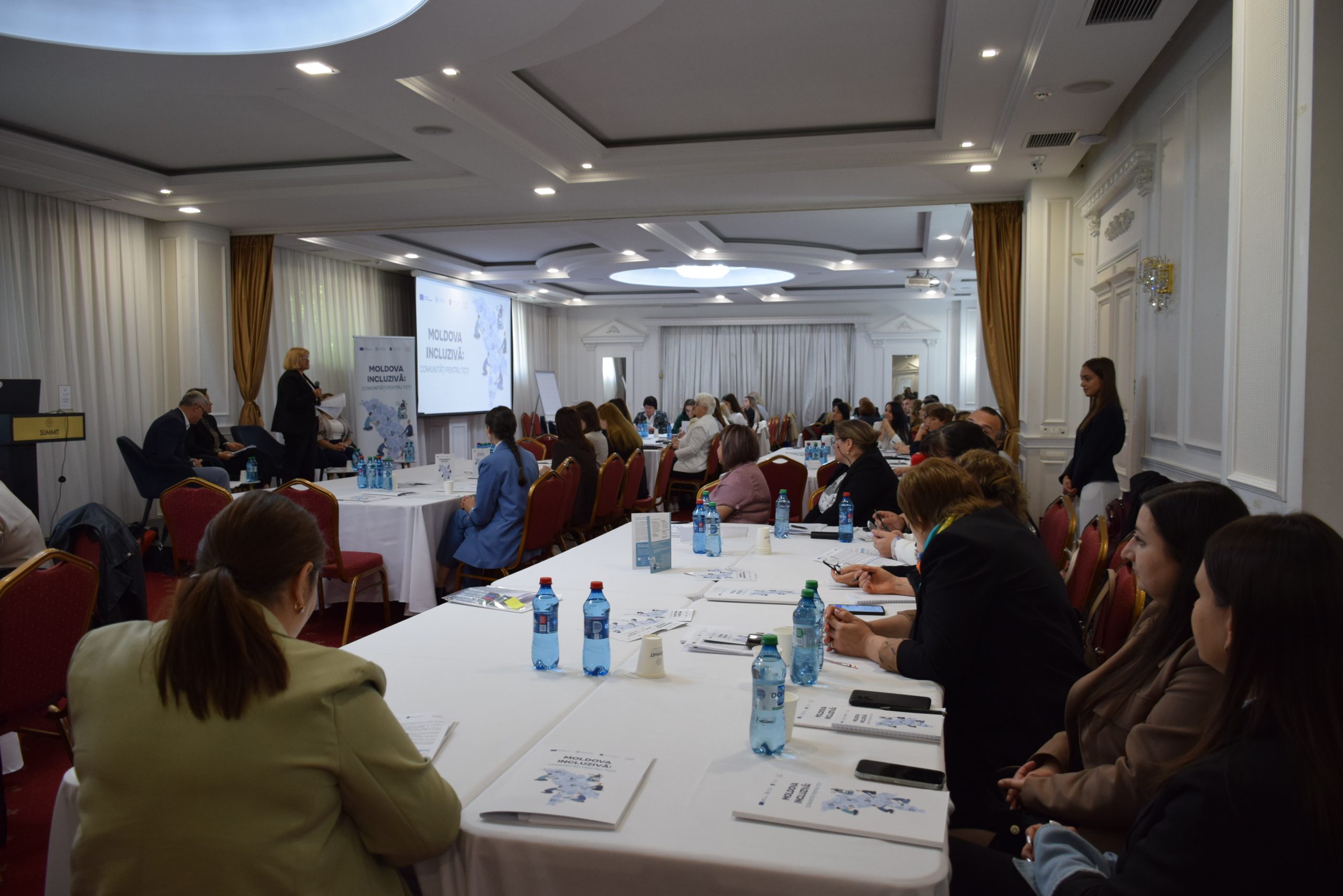
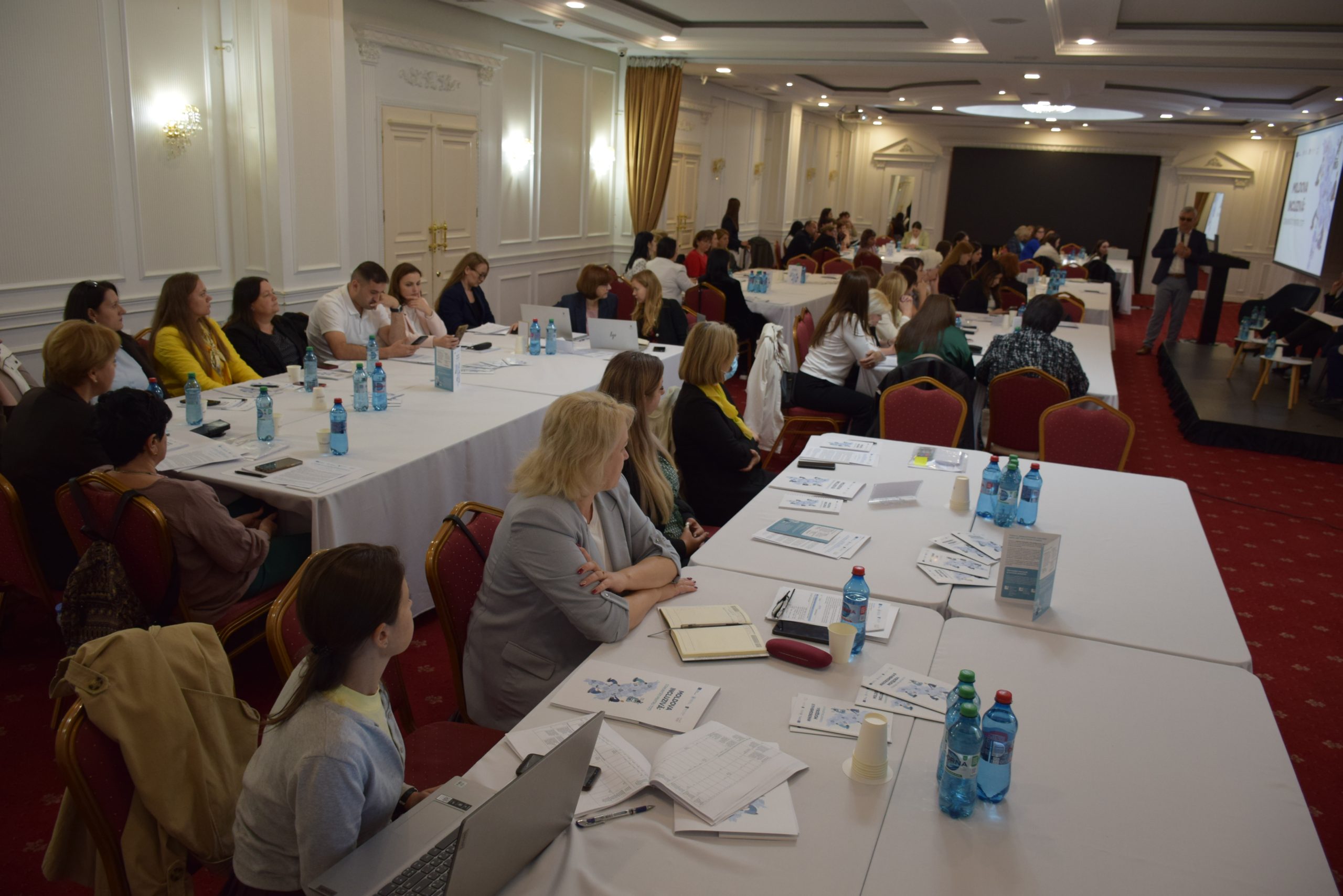
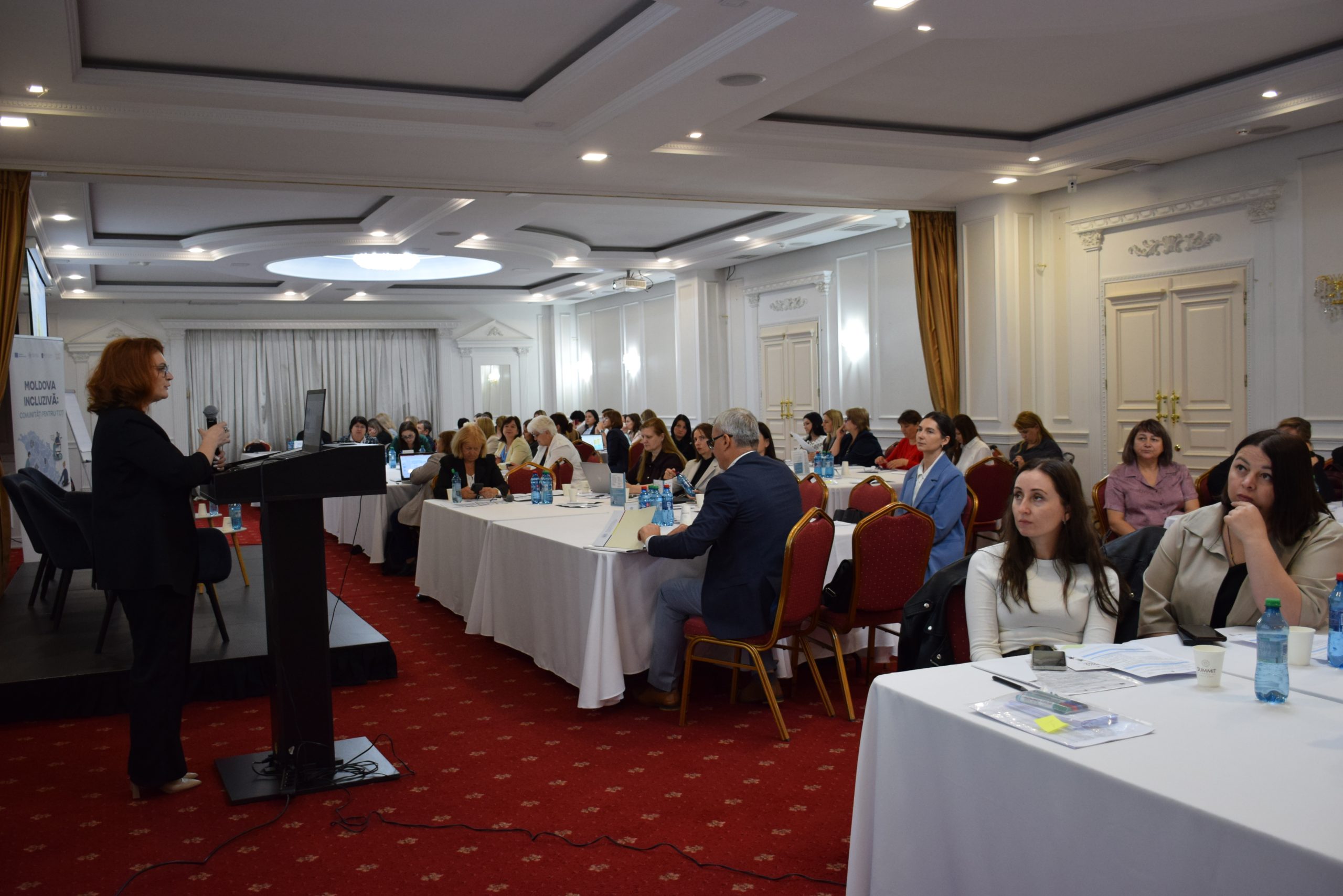
On 22 September, Chișinău is hosting a national workshop dedicated to the social inclusion of people with disabilities and their transition from residential care to community living. The event brings together representatives from the Ministry of Labour and Social Protection, its subordinate bodies, non-governmental organizations and development partners, and is organized with the support of the European Union.
The workshop creates one of the first national platforms for dialogue on a coordinated process of deinstitutionalization, to which public authorities, civil society and development partners contribute. Participants explore solutions to ensure that adults with disabilities living in residential institutions can receive the support they need to live in the community, make decisions about their own lives, work and participate actively in social life.
“We want people with disabilities to be able to live in the community, to have access to the services they need and to be able to make decisions about their own lives. To achieve this, we need a joint effort by the authorities, non-governmental organizations and development partners, so that the transition from residential institutions to community living takes place safely and with respect for every individual,” said Vasile Cușca, State Secretary at the Ministry of Labour and Social Protection, at the opening of the event.
“Deinstitutionalization does not simply mean changing the place where people with disabilities live, but also recognizing their right to live with dignity, independently and alongside other members of the community. The European Union supports the Republic of Moldova’s efforts to develop inclusive, person-centered services, and cooperation between the authorities and civil society is essential for this change to become a reality,” said Martina Spernbauer, Team Leader for Governance at the Delegation of the European Union to the Republic of Moldova.
Over 60 participants discussed the tasks and responsibilities of the stakeholders involved in the deinstitutionalization of people with disabilities. Particular emphasis was placed on the transition process for adults with disabilities from residential institutions into the community, where they can access social, medical, educational, and leisure services.
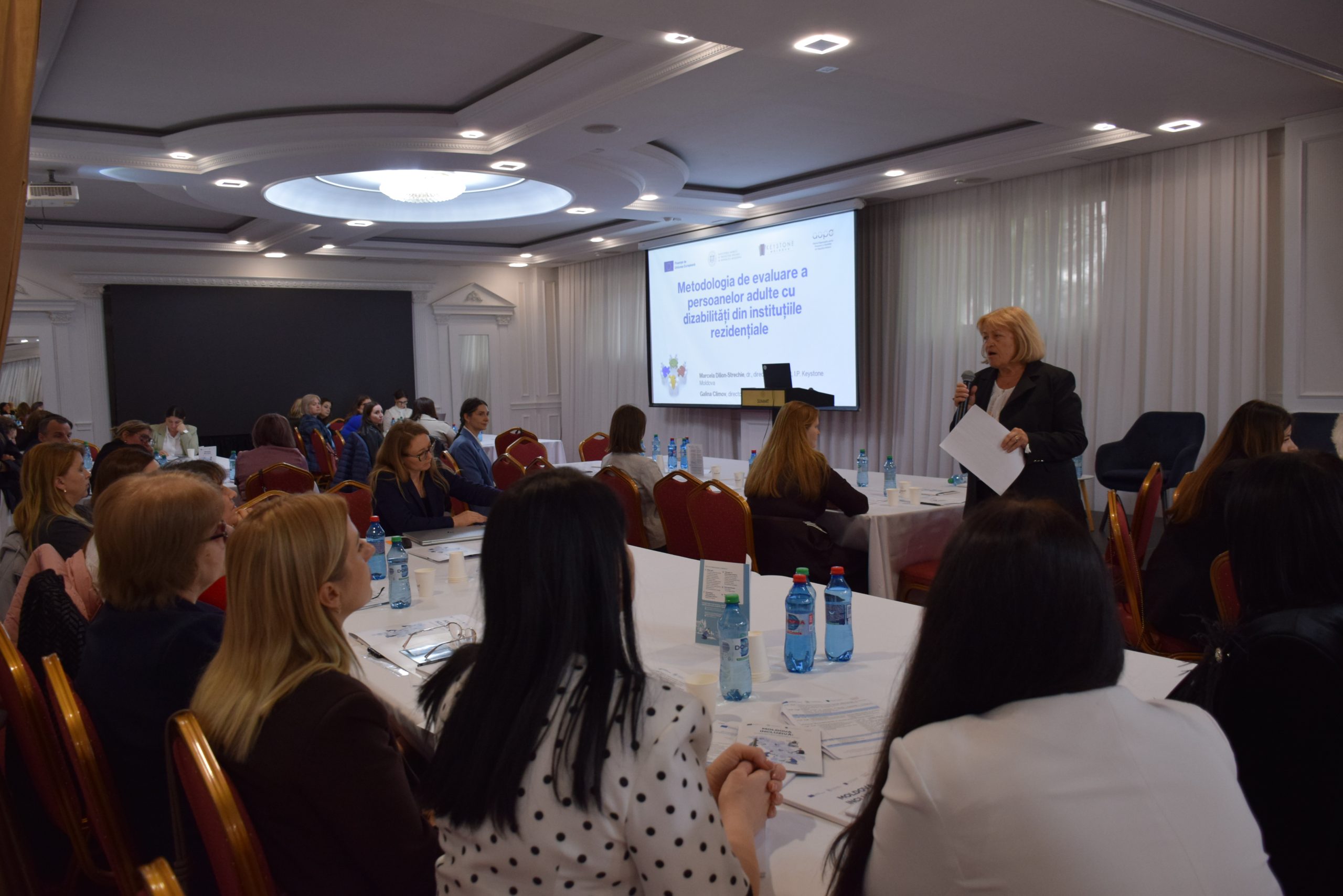
During the workshop, Keystone Moldova presented the Methodology for the assessment of adults with disabilities in residential institutions, approved by the Ministry of Labour and Social Protection by Order No. 263 of 29 July 2026. The tool will help specialists identify individual support needs and make recommendations for preparing the transition from residential care to community living.
“In recent years, the Republic of Moldova has taken significant steps to transform the way in which people with disabilities are supported. European integration provides us with the framework and impetus needed to accelerate this change — from residential institutions to community-based services. For adults with disabilities, this means more than just access to services: it means the right to live with dignity, to make decisions and to play an active part in community life,” emphasized Prof. Ludmila Malcoci, PhD, Executive Director of Keystone Moldova.
The workshop is organized as part of the “Inclusive Moldova: Communities for All” project, which promotes a human rights-based approach to the process of deinstitutionalization. The project is financed by the European Union, and implemented by Keystone Moldova in partnership with the Alliance of Organizations for Persons with Disabilities from Moldova and the Ministry of Labour and Social Protection. The European Union is providing four million euros in funding for a 3.5-year implementation period.
***
This material was produced with the financial support of the European Union. Its content represents the sole responsibility of the “Stronger Civil Society, Safer Childhoods: Supporting Moldova’s Child Care Transformation” project, financed by the European Union, co-financed and implemented by Keystone Moldova, Child, Community, Family (CCF Moldova), and Partnerships for Every Child. The content of the material belongs to the authors and does not necessarily reflect the vision of the European Union.
Join us on Facebook, Instagram and Twitter, or read one of our blogs. You’ll find the latest news, photos and videos.
Blogs